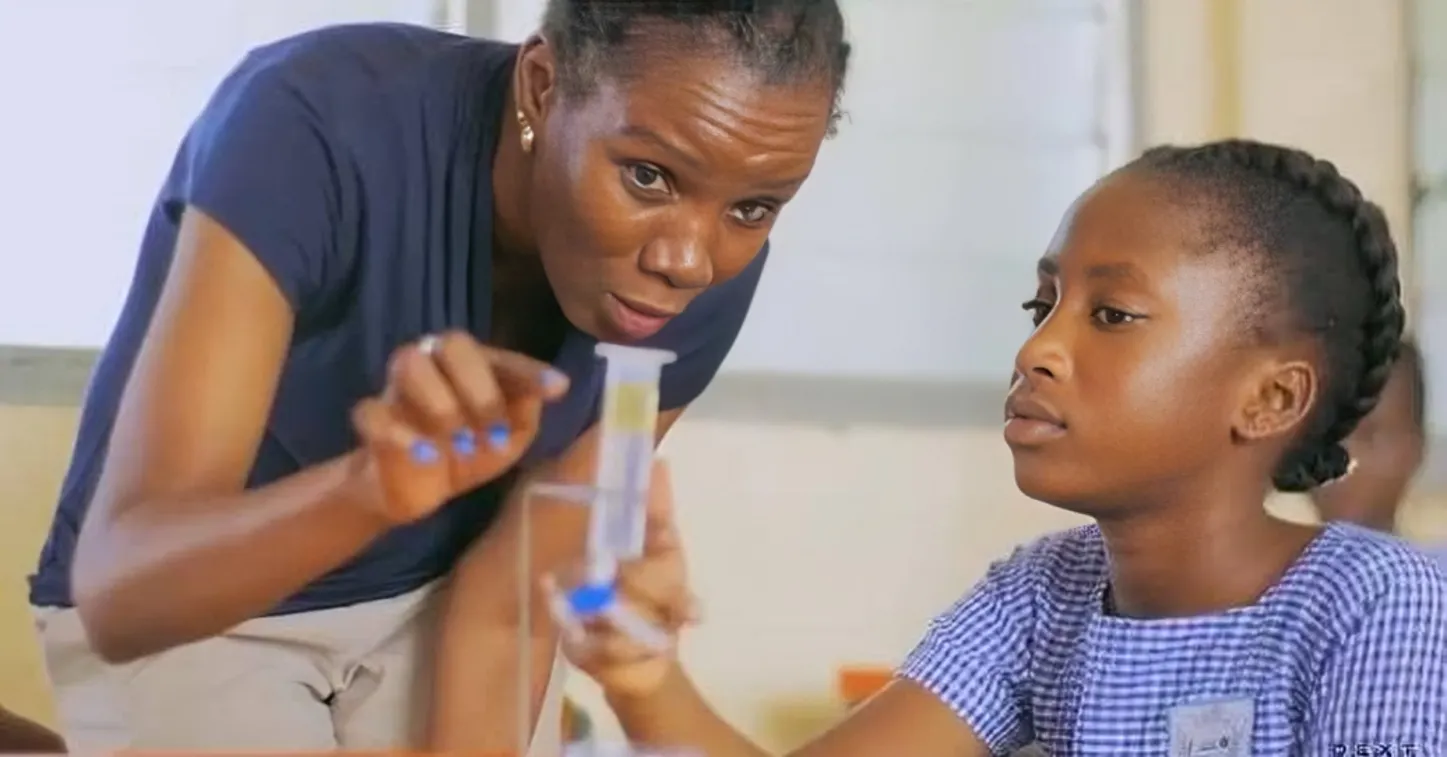
Elsie Effah Kaufmann
From Ghana to the World and back: Elsie Effah Kaufmann's journey through STEM and Service
Professor Elsie Effah Kaufmann (AC'88) is the first woman to serve as Dean of Engineering at the University of Ghana. She founded the country's first biomedical engineering department, has spent nearly two decades hosting Ghana’s National Science and Maths Quiz inspiring a generation of young Ghanaians to pursue science and runs a foundation transforming how STEM is taught in schools across the country. None of it was planned. All of it traces back to two years at Atlantic College.
When Elsie was called to her headmistress's office at her school in Aburi, Ghana, her first thought was that she was in trouble. Instead, she received news that would change her life. Elsie was chosen to sit for an exam in Accra that she knew nothing about, for a school she had never heard of.
It was only after she was selected as one of three students chosen to represent Ghana that year that Elsie learned she was heading to UWC Atlantic College. She received the news along with an instruction from her UWC national committee ringing in her ears: go, learn as much as possible, come back to Ghana and make a difference.
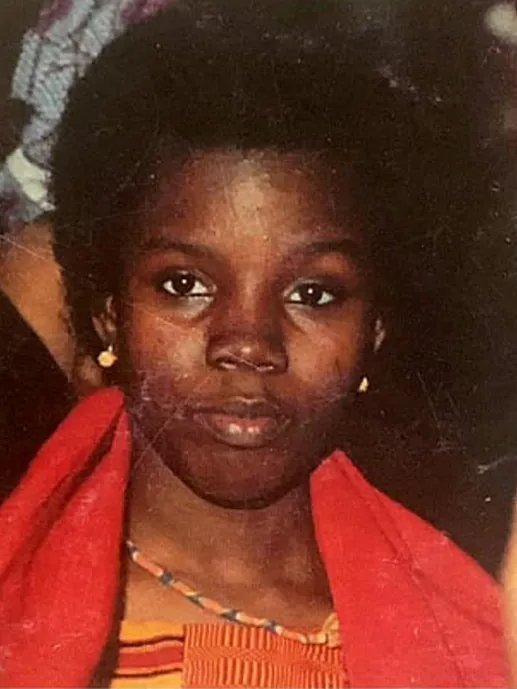
What Elsie couldn't quite have prepared for was the intellectual culture shock that awaited her. Elsie had excelled in Ghana's education system by listening carefully, understanding and giving back exactly what her teachers had taught. At AC, the rules were different. "Theory of Knowledge was particularly challenging for me because I felt like all these topics were taboo. We had to have our own opinions. Every class was a scandal to me."
Physics was no less disorienting. Her teacher would introduce a concept, then tell students to design their own experiments and return with their results in two weeks. "I was used to experiments where the instruction manual would tell you what you're supposed to observe. Here I was completely lost at sea and struggling because I wasn’t used to this."
At this moment Elsie made a decision: if she was going to succeed, she had to change her entire way of learning, and she had to do it fast. "I had to adjust really quickly to be able to survive. And I am forever grateful for that experience. Up till today, these foundations are what I have organised my life around. I am thinking through concepts, interrogating ideas that people think are fixed in stone."
Alongside the academic transformation, it was AC's commitment to service that left an equally lasting mark. Elsie chose social service, visiting an elderly woman in Llantwit Major once a week, tidying her house and tending the garden. She also volunteered at a local mental health institution, spending Thursday evenings with patients, talking with those who were able and helping around the ward.
"That has stayed with me. You don't live just for yourself. You have to contribute. You have to give back. Sometimes it doesn't have to be financial, sometimes it's just your time to make a difference in somebody's life."
After AC, Elsie went to the University of Pennsylvania, guided by a single paragraph about bioengineering in a prospectus and an assumption it was useful for medical school. She stayed for ten years, completing her undergraduate degree, Master's and PhD, before a post-doctoral position at Rutgers University.
Throughout her journey, the task given to her by her national committee stayed close. When her father called and asked what she was studying, then said, "we don't have that in Ghana, does that mean you're not coming back?" everything clicked.
"That's the difference I'm going to make," she realised. "I need to be an expert to return home with the credibility to start a programme that does not exist."
In 2001, she returned to be the first full-time Ghanian female Physics lecturer at the University of Ghana. Elsie was involved in setting up the School of Engineering Sciences at the University in 2003, and brought bioengineering with her to the institution. She became the Founding Head of the Department of Biomedical Engineering and, later, the first female Dean of Engineering at the University of Ghana. To this day, she remains the only female faculty member in her department. "There are very few women in engineering," she says.
Since 2006, Elsie has been a presenter on Ghana's national television science and mathematics quiz - a platform she has used deliberately to put a visible, senior female engineer in front of the country's young people to encourage more young women to enter the field. "I make a point of introducing myself as an engineer so they can see that it's possible. Look at me, you can be like me."
The female student population in her School of Engineering Sciences has grown from 12% when it launched to over 31% today, a shift she attributes directly to targeted outreach and visibility work. But Elsie identified a deeper problem: the way science was being taught in Ghana's schools was making science feel abstract, joyless and inaccessible.
Her response was to found the Elsie Effah Kaufmann Foundation, a STEM education foundation built around a simple but powerful idea: you don't need a laboratory to do science. The foundation provides schools with portable science sets, trains teachers in hands-on, practical teaching methods and runs community science events open to everyone. "We had seen that in some schools there's a lot of absenteeism. But you will find the young people in school in the afternoons if there's an extracurricular activity involving experiments."
Students who first encountered experiments in school have now arrived at her engineering faculty, telling her: "I told you I'd come and find you."
Elsie is thoughtful when asked what AC means to her today. It is less a network she actively maintains and more a foundation everything else is built on. "AC changed my world view completely. There were 350 of us from 68 countries. I started to see that we are not that different after all. The people who go on to do great things – I could be one of them." More than ambition, it was a shift in what she believed education was for. It is not something you do just to get somewhere for yourself, and that's the end of it. It is an opportunity to do even more – not just for yourself, but for others. That was a serious shift in mindset."
For young students heading to Atlantic College for the first time, Elsie has a message.
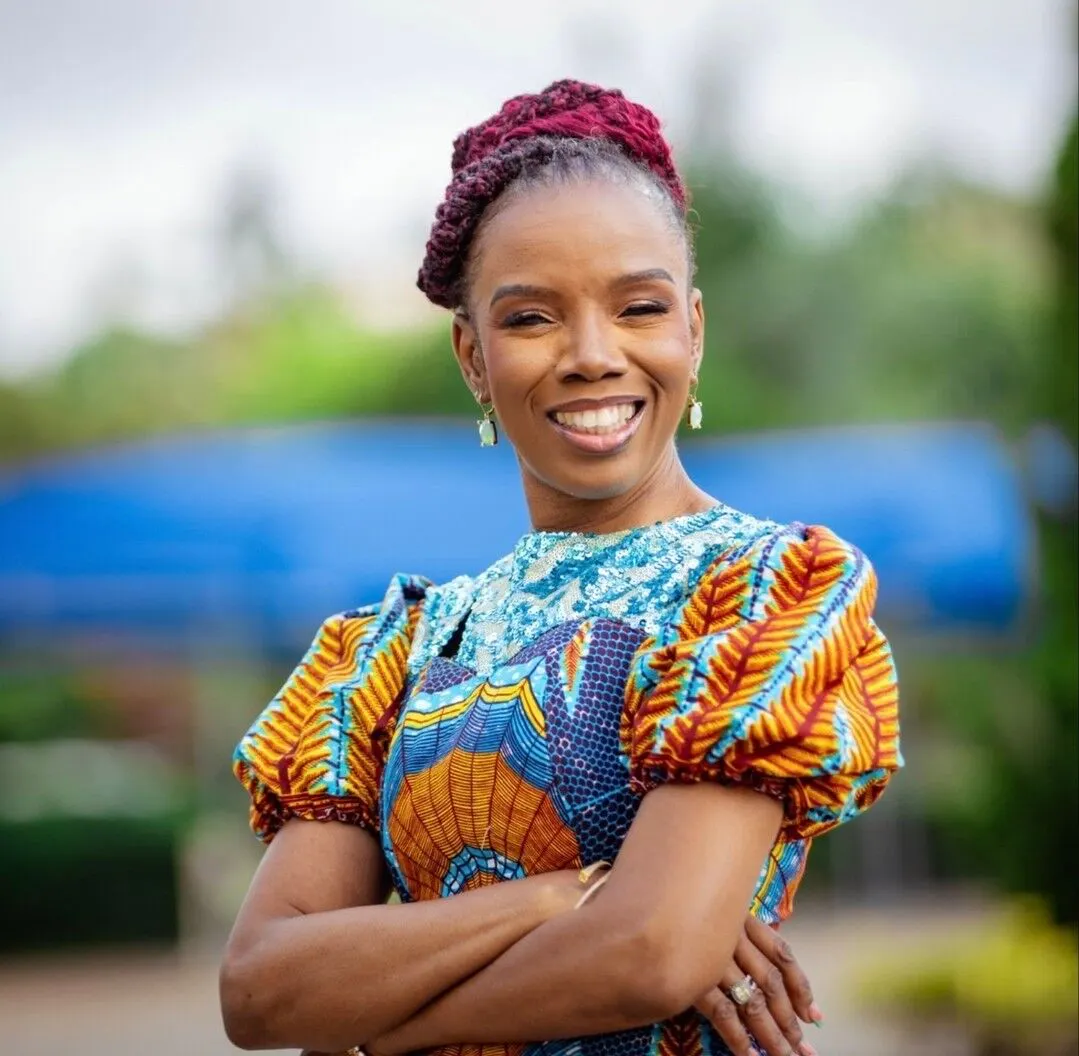
"All you need to do is be open-minded about the experiences you are going to have. If you love learning, if you want to make a contribution to the world – that is where you are going to find the people who are doing it and the people who will do it. The experience from the past, the present and the future, all in one place. AC will transform you in ways you cannot imagine now. But it's all worth it, because the experiences you gain there will stay with you for life."


