STP Student Summer Interventions
For our students, taking this new Systems Transformation Pathway (STP) pathway has been a new way of learning. One fascinating aspect of the STP curriculum is their summer intervention project. This is an opportunity for each student to take their STP learning back to their home country and make a difference for their local community.
Below are a selection of our students' summer intervention projects and their thoughts on studying the STP curriculum and what they have learnt.
Youth-Led Innovation in Water Security
Roong from Thailand took learning into action to tackle severe water insecurity in Mae Lay, Nakhon Sawan. Facing scarce, poor-quality tap water and underutilised groundwater, she embarked on a 9-month journey to create a lasting community-led solution.
“This idea came up in 2023 when my family and I visited the temple. The bathrooms had hardly any water flowing from the taps and the water had an unpleasant smell. The people also had to purchase bottled water which caused financial burden for low-income households. Thus, I would like to address this issue to ensure that local people have access to quality water.”
Supported by a £6,500 grant from our entrepreneurial hub, Lighthouse, Roong collaborated with local residents, temple committees, technical experts, and the Subdistrict Administrative Organisation (SAO) to design and construct a community-owned, solar-powered groundwater system.
Key Achievements:
- 💧 4,000–5,000 liters of water pumped daily into storage tanks.
- 🛠️ 30 local residents directly built the pipelines and constructed the system.
- 🏛️ Local Ownership: Management was officially handed over to Sam Yaek Phatthana Temple for long-term sustainability.
- 📈 Systemic Impact: Inspired the local SAO to apply for national government funding to scale renewable energy water systems across the municipality.
Roong’s project proves that systemic change doesn’t need to start from the top; it begins within our own communities.
Read more
Engaging Children In Conservation in Paraiba, Brazil
Gabriela's intervention aimed to raise awareness about the endemic species of the Caatinga semiarid biome in Northeast Brazil, specifically focusing on children aged 8-10. She created "Álbum da Caatinga," a sticker album featuring various species found in the Caatinga. The album's unique feature was that the rarity of a sticker reflected the endangered status of the corresponding species in real life.
Key features of the intervention:
Community engagement, including workshops in local schools, collaborating with teachers and students to promote awareness about the Caatinga biome and the importance of its conservation
Collaboration with many stakeholders, such as researchers, policy makers, and local artists to come up with the most effective intervention.

Promoting Sustainable Agriculture in Kachorwa, Nepal
Aman’s intervention promoted sustainable agricultural practices to address issues related to food security and climate resilience. The aim was to reduce the reliance on chemical fertilizers by reviving traditional and Indigenous farming knowledge.
Key activities included:
Conducting surveys and interviews with local farmers to understand their current farming practices, challenges, and perspectives on sustainable agriculture
Organising workshops and training sessions to educate students and farmers about the benefits and methods of sustainable farming techniques, including seed saving and composting
Collaborating with local seed banks to promote the use of diverse and locally adapted seeds
Sustainable Energy Solutions in Zimbabwe
Edson’s intervention focused on raising awareness about renewable energy among primary school children in Zimbabwe. The student recognised the potential of youth as agents of change and aimed to instil a positive perspective towards renewable energy solutions. The project involved interactive workshops and educational activities designed to engage children and foster their understanding of renewable energy concepts.
Key objectives included:
Utilising creative methods to explain complex topics in a way that is accessible to young learners
Emphasising the benefits of renewable energy for both the environment and the community
Encouraging children to share their learnings with their families and communities
Resilience and Community Integration
Mahshed’s intervention, "Resilient Together: Afghan Women's Integration and Support Program", was designed to provide support for Afghan migrant women in Växjö, Sweden. The program aimed to help the women navigate the challenges of cultural integration and settlement in their new home.
Key objectives included:
Establishing a support network for the Afghan women, creating a space for them to connect with one another and share their experiences
Addressing language barriers to integration and exploring the use of the AILEM app, specifically designed to provide language education for refugees
Understanding the specific issues faced by Afghan migrants - such as settlement, housing, employment, and education - to guide the development of effective strategies to address these challenges and facilitate integration
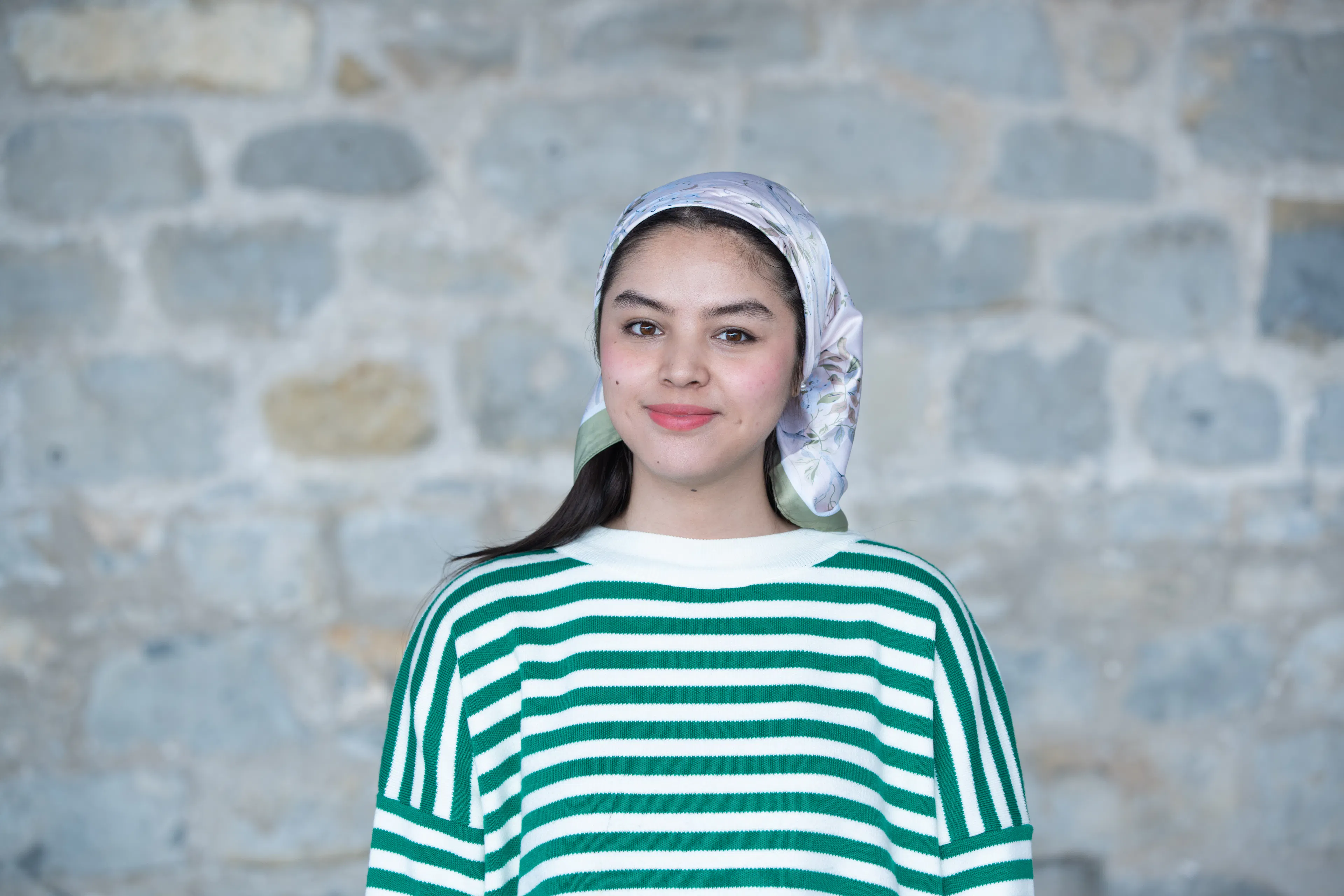
Integrating Herbal Medicine in Accra, Ghana
Kendra's intervention integrated herbal medicine into the modern health sector in Ghana, particularly in urban areas. Kendra organised community workshops to bring together stakeholders and identify opportunities and challenges in this process.
Key activities included:
Extensive research into existing policies and regulations related to herbal medicine in Ghana
Development of workshop plans and invitations for various stakeholders, including newcomers to Accra, teenagers, and professional herbalists
Conducting a presentation and facilitating discussions on the benefits, uses, and challenges of integrating herbal medicine
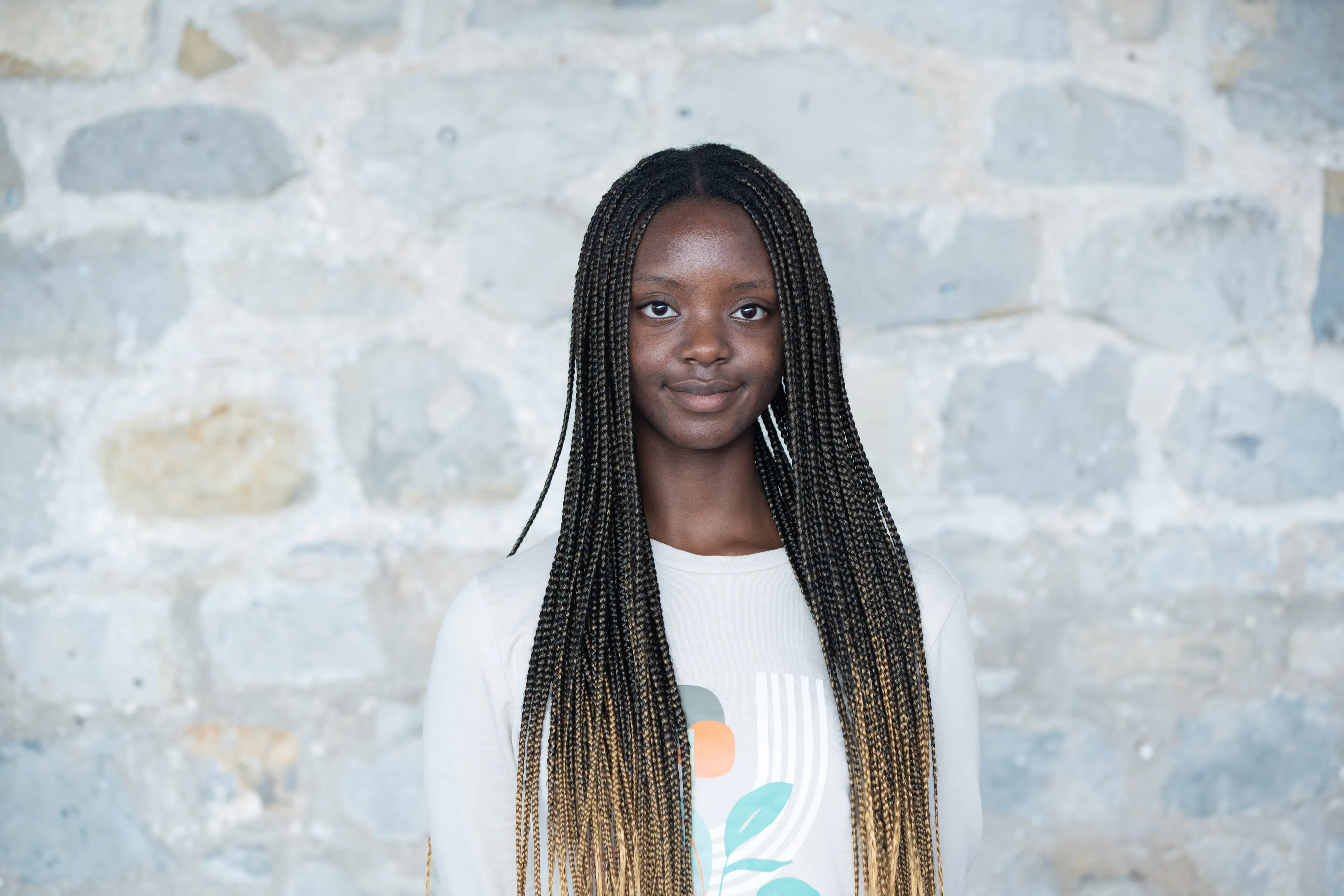
Biodiversity and Sustainable Farming
James's intervention sought to address the disconnect between stakeholders in the farming system of Wales, specifically regarding the implementation of the Sustainable Farming Scheme. He organized a Beacon Farms Event to facilitate dialogue and collaboration between farmers, policymakers, conservationists, and other relevant stakeholders.
Key objectives included:
Network Building: James focused on establishing a network of stakeholders with diverse viewpoints, including those from the Welsh Government, environmental organizations, and sustainable farming initiatives
Emphasis on Biodiversity: The intervention acknowledged the vital role of biodiversity within agricultural systems and aimed to promote practices that balance agricultural productivity with ecological health
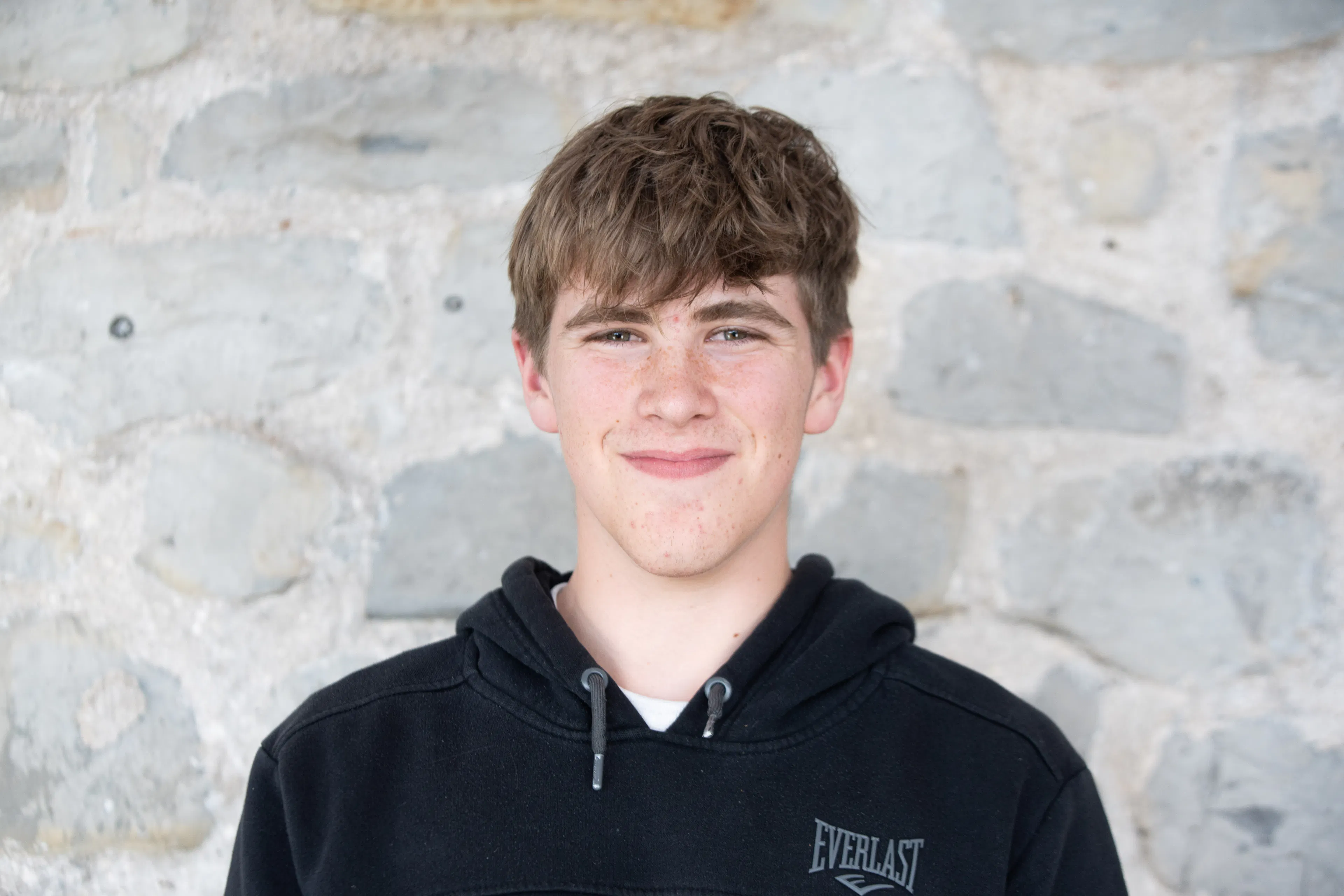
Solar Powering a community farm in Petchaburi province, Thailnad
Runn’s intervention supported the long-term energy self-sufficiency of the Pakakayo tribes in Phetchaburi province, Thailand. This involved installing solar panels to power the oven and refrigerator used in their zero-waste Bulgarian rose tea production. The project aimed to reduce the community's reliance on fossil fuels and enhance their income generation through sustainable practices.
Key activities included:
Installing a solar panel system suitable for the community's energy needs
Conducting an educational workshop to teach community members about solar power technology and maintenance
Exploring opportunities to raise funds for additional solar cells to expand the project's impact
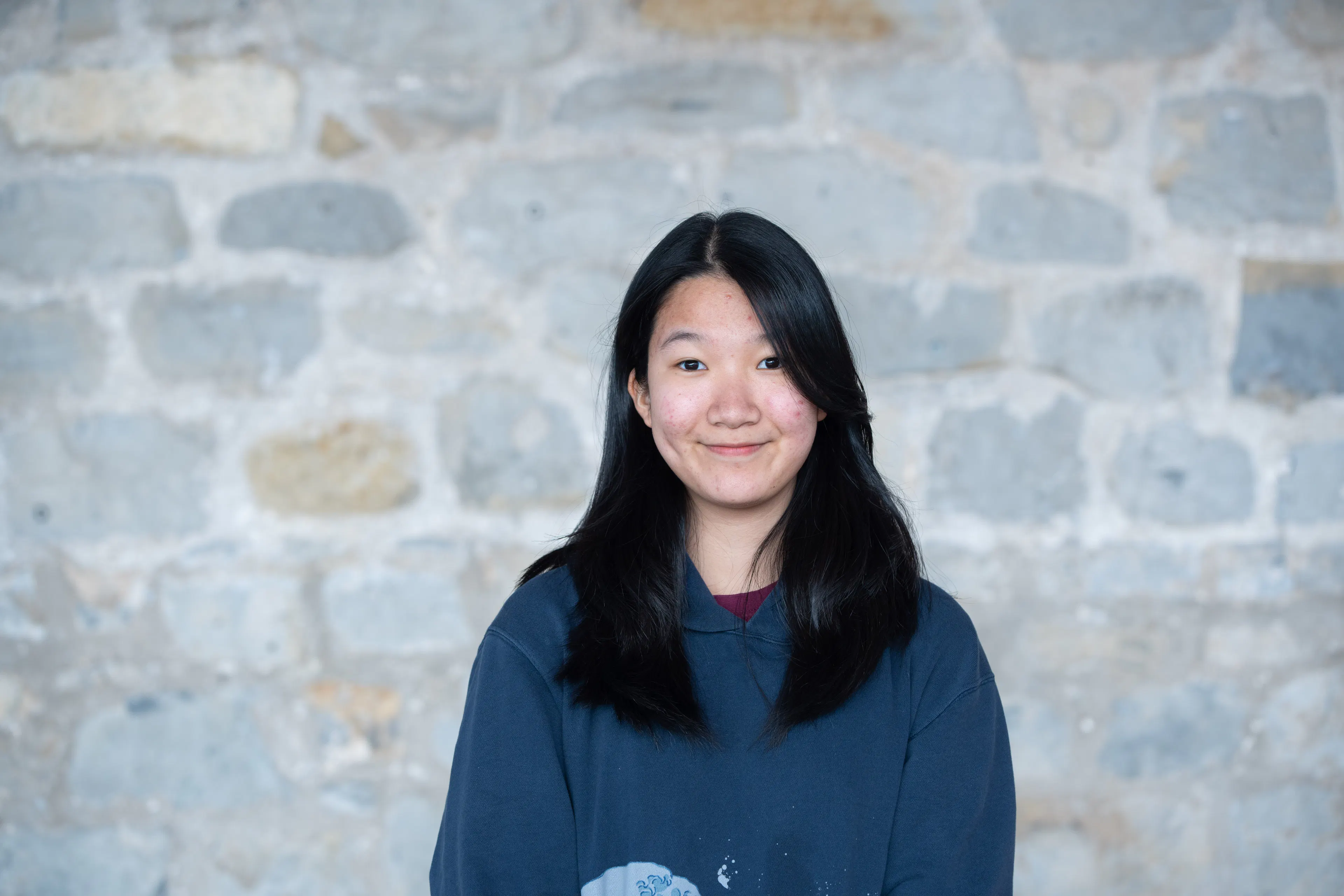
Community Cohesion in Bermondsey, London
Lola's intervention centered around fostering community cohesion in Bermondsey, London, with a particular focus on utilizing food and volunteering as bridges between diverse groups. Recognizing the power of shared experiences and collective action, Lola's intervention - a set of conversation-starter cards - aimed to connect individuals from different backgrounds through meaningful engagement.
Key features included:
Collaboration with local organizations, such as the Downside Fisher Youth Club, The Good Gym, and The Borough Food Cooperative to leverage their existing networks and resources to reach a wider community
Volunteering and food sharing, creating opportunities for individuals to connect and build relationships while contributing to a common goal
Highlighting the potential of art-based approaches to convey powerful messages and foster understanding across cultural divides